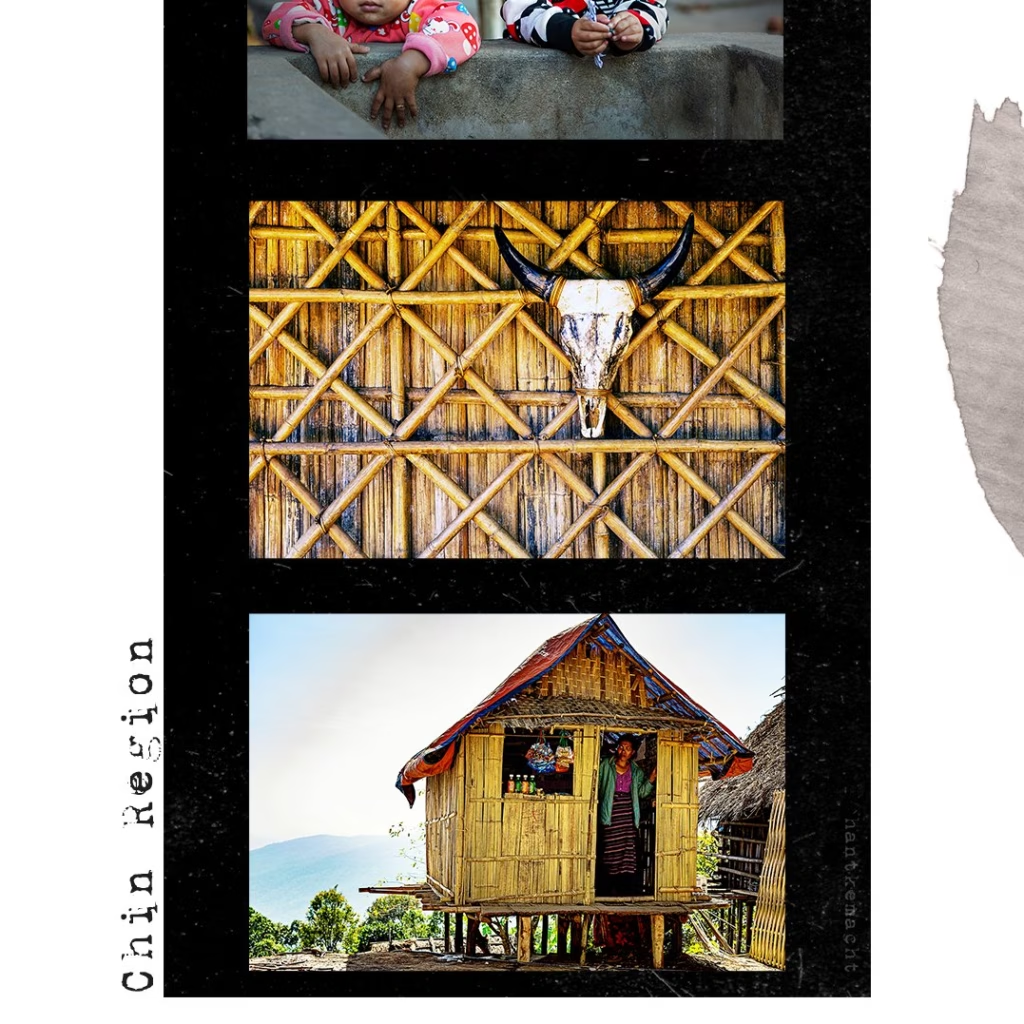
Bildserie
Myanmar – An incredible journey
Fast 6.000 Fotos habe ich aus Myanmar mitgebracht. Einige hängen heute an meiner Wand. Beim erneuten Durchsehen sind es aber oft die unscheinbaren Alltagsszenen, bei denen ich hängen bleibe. Eine fotografische Reise zu Begegnungen, an die ich mich gerne erinnere. Der begleitende Text ist auf Englisch.
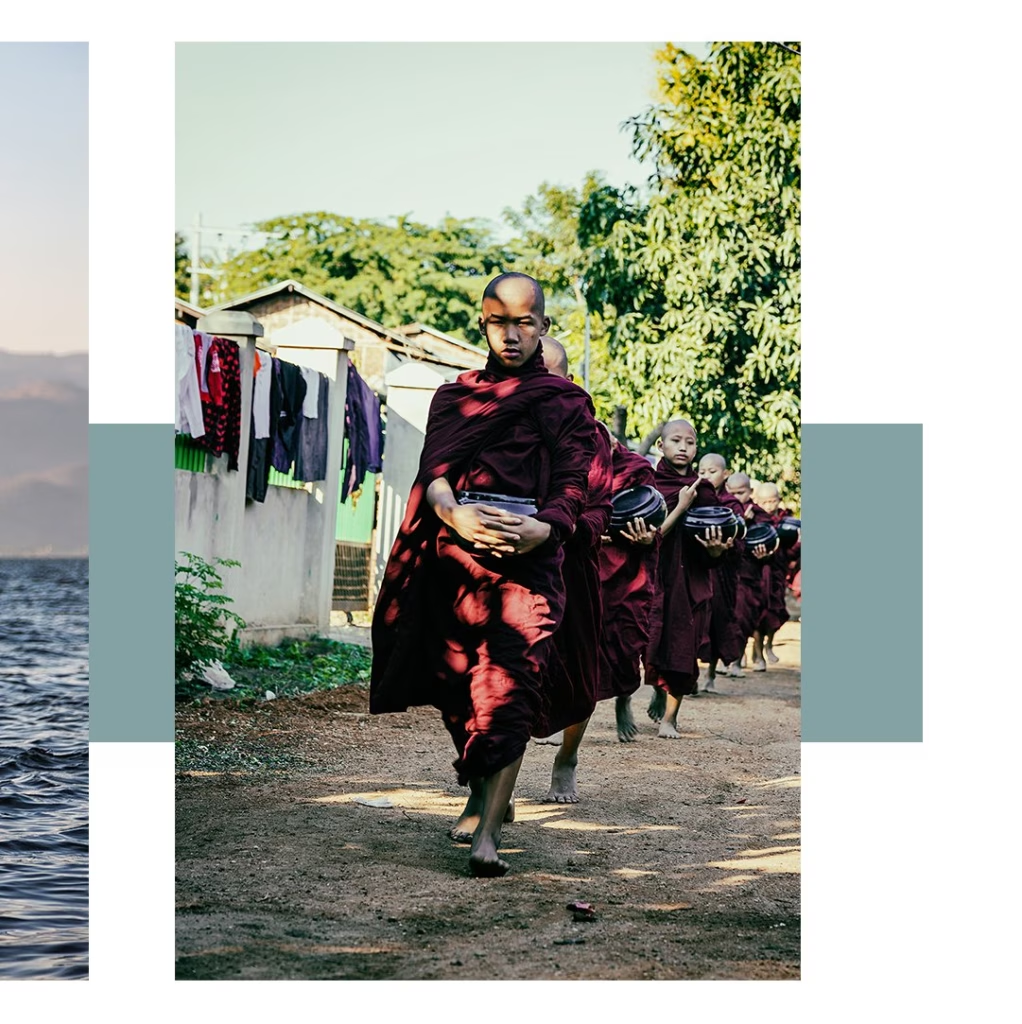
I travelled through Myanmar with a group of photographers led by Thorge Berger and Win Kyaw Zan, a photographer based in Yangon.
During our trip, I took almost 6,000 photos. Some of my favourites now hang on the walls at home. When I finally found time to look through the collection again, it was often the quieter, everyday moments that caught my attention. These are the photographs that bring back memories of the people I met and the small details I might otherwise have forgotten. I remember their openness and warmth with particular fondness.
Inle Lake
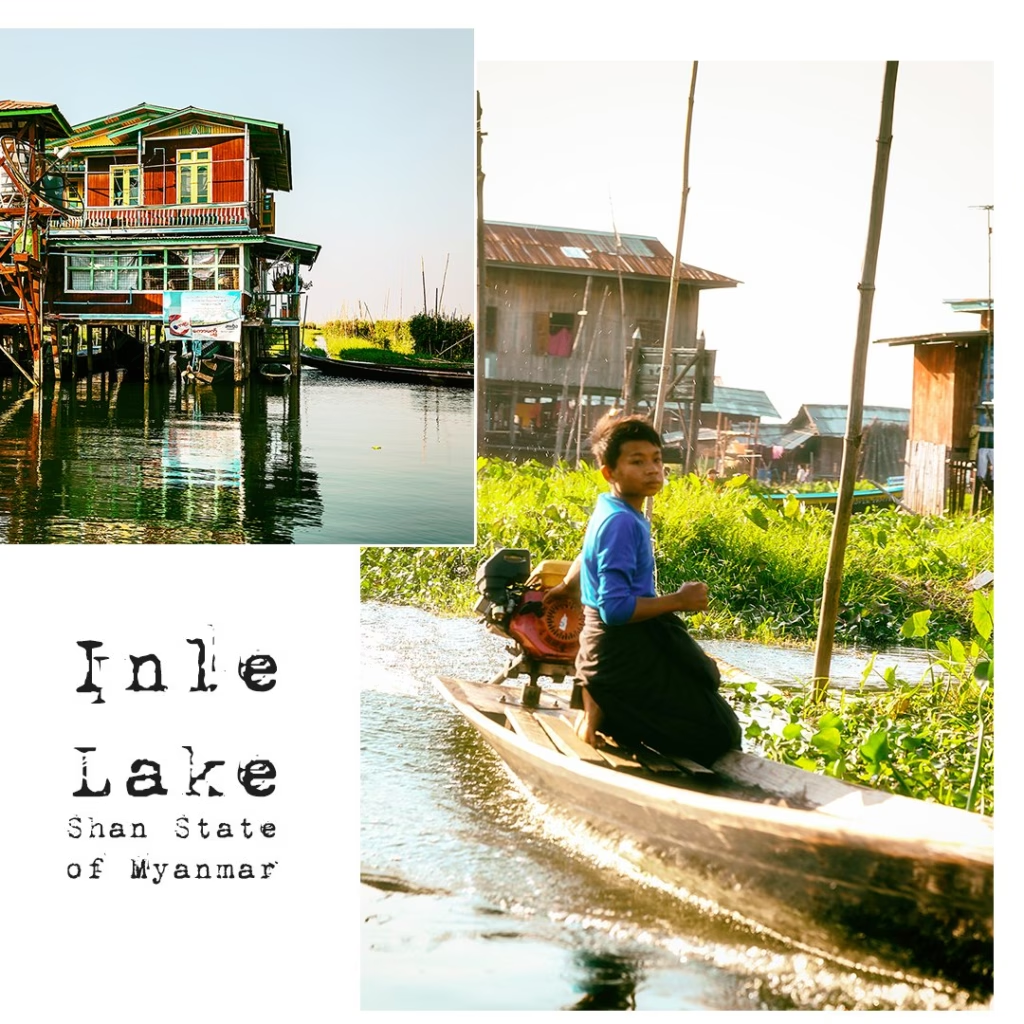
On Inle Lake, much of daily life takes place on the water. Floating gardens provide space to grow vegetables, and fishing is an important part of local life. The Intha fishermen are known for their distinctive one-legged rowing technique.
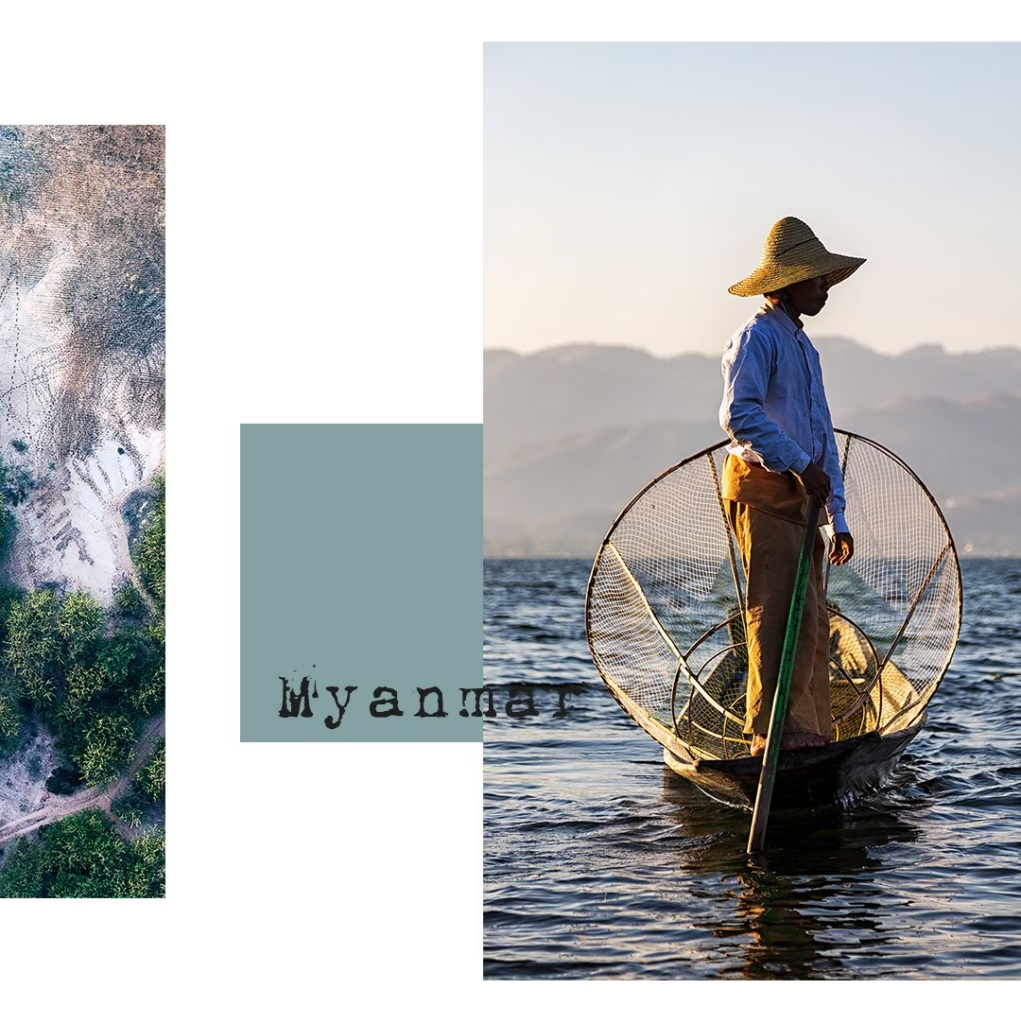
Small boats carry people and goods across the lake, while larger boats are often powered by diesel engines. Watching the fishermen row is fascinating: they balance on one leg at the stern and wrap the other around an oar, leaving their hands free to handle their fishing gear.
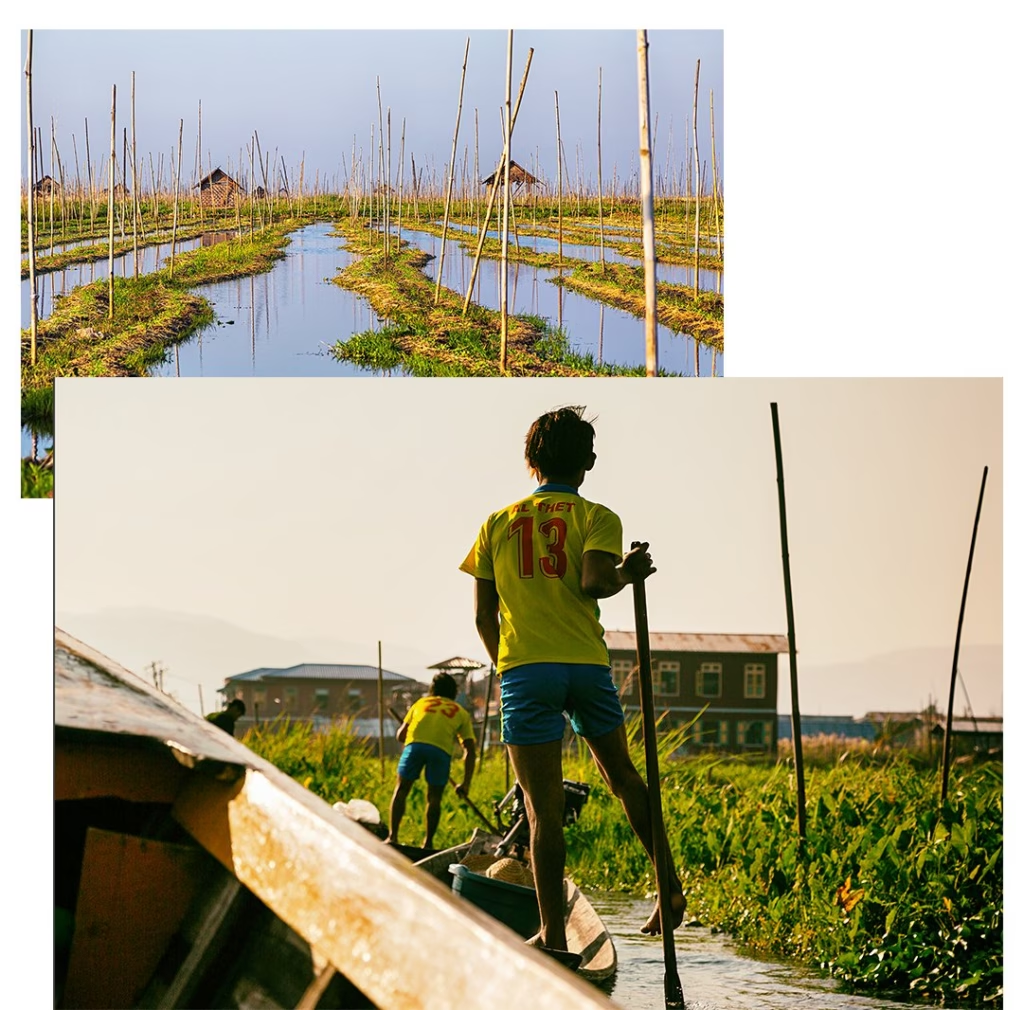
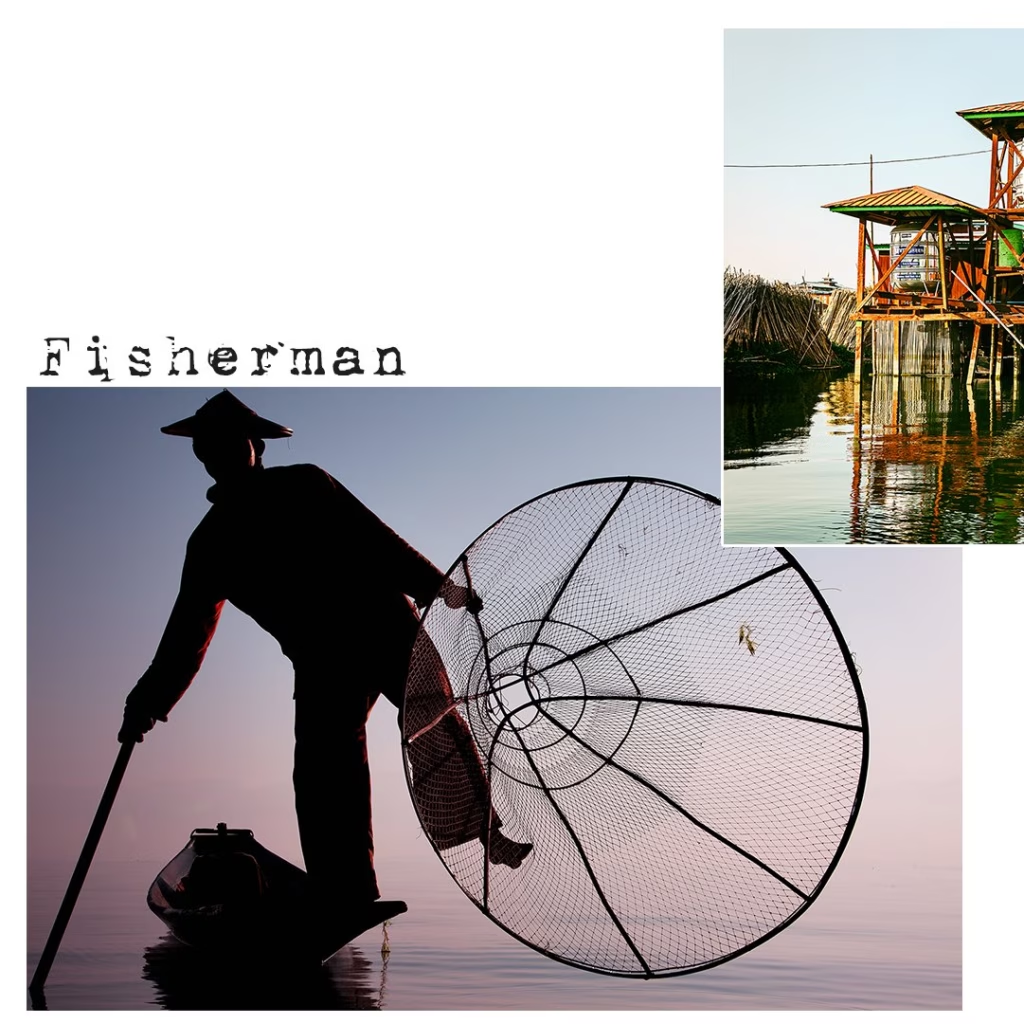
A fisherman on Inle Lake strikes a familiar pose. Just look at the size of that fishing net. I still find it astonishing that he can keep his balance while handling it.
A Young Performer
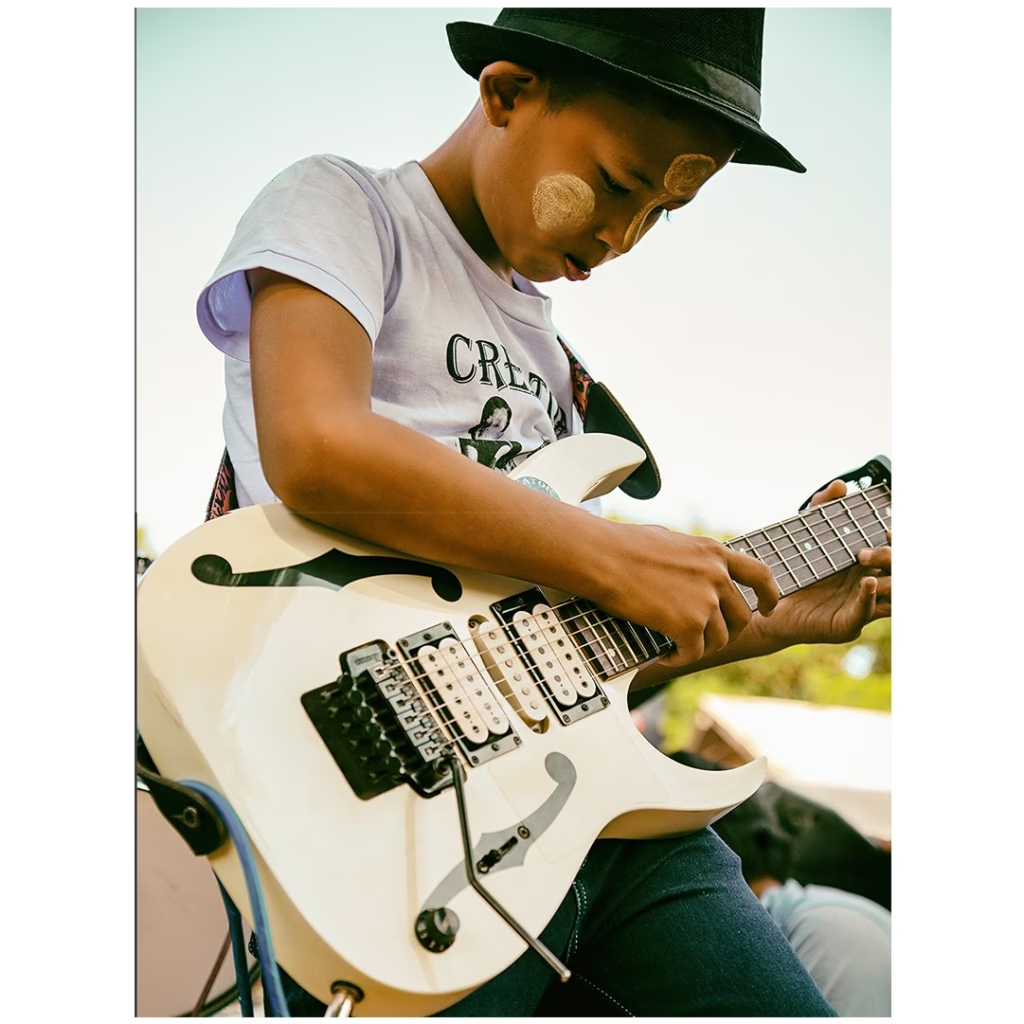
We came across this young performer at a festival. What a performance! I tried to find out more about him afterwards, but had no luck. Does anyone recognise him?
The Nuns of Myanmar
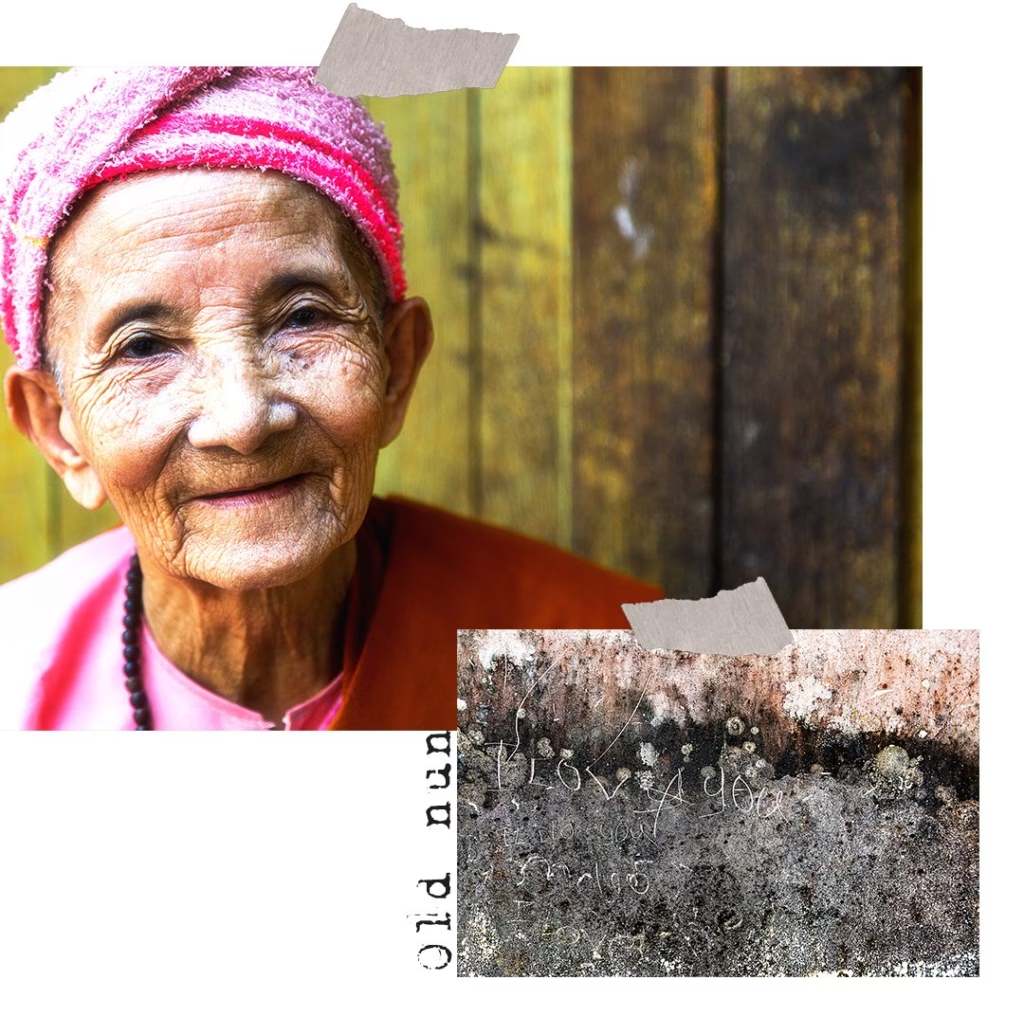
With their pink robes and shaved heads, the Buddhist nuns we saw were instantly recognisable. Known as Thilashin, often translated as “possessors of virtue”, they follow a daily routine of religious practice, study and household tasks. Some enter monastic life as children. Their religious status differs from that of fully ordained monks.
More pictures about women in Myanmar
Yangon
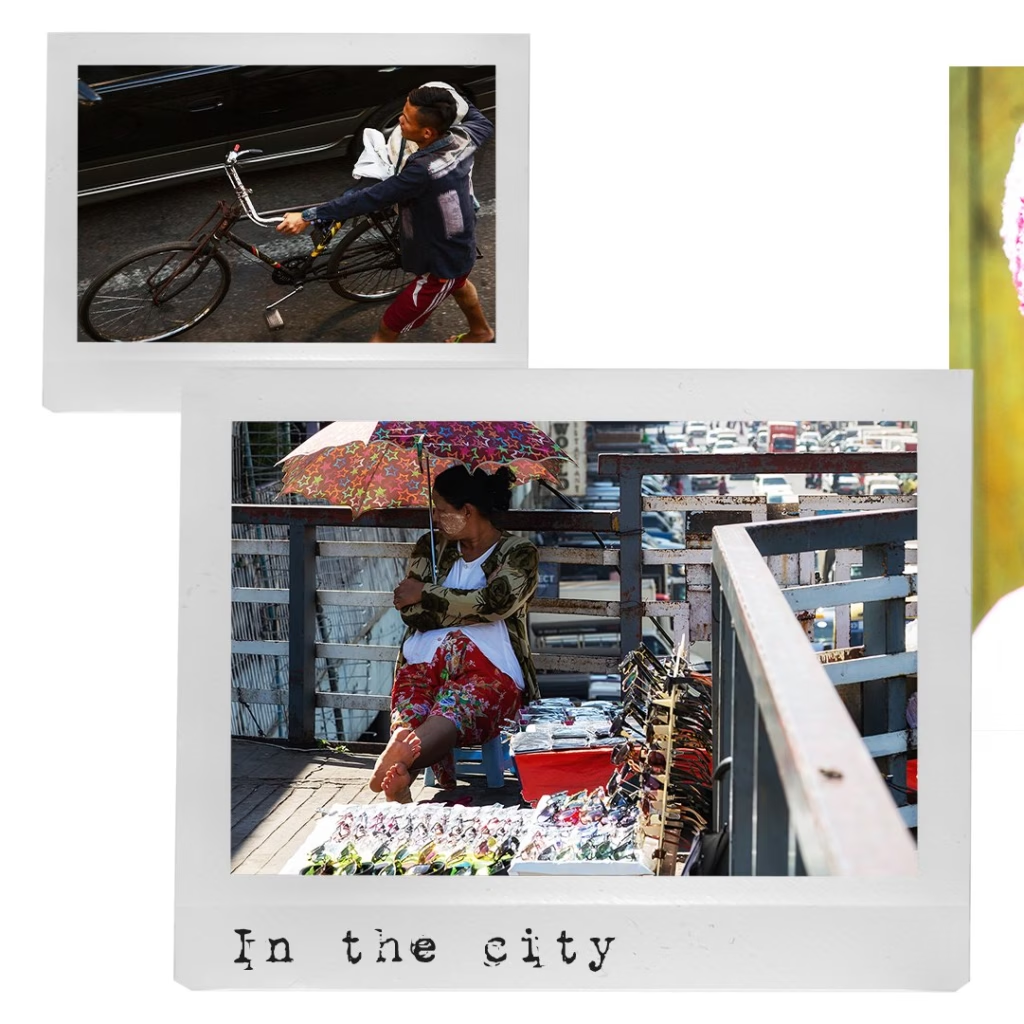
Yangon felt overwhelming at first. The crowds, the sheer size of the city and the contrast between modern buildings and ageing colonial houses gave me plenty to take in.
Crossing the wide, busy roads was an adventure in itself. Finding a place to cross could mean quite a detour, and a pedestrian bridge always seemed to be somewhere other than where I needed it. The traffic felt relentless. Yet the people I met were friendly and remarkably relaxed — certainly more relaxed than I was while trying to get to the other side.
The Women of Chin State
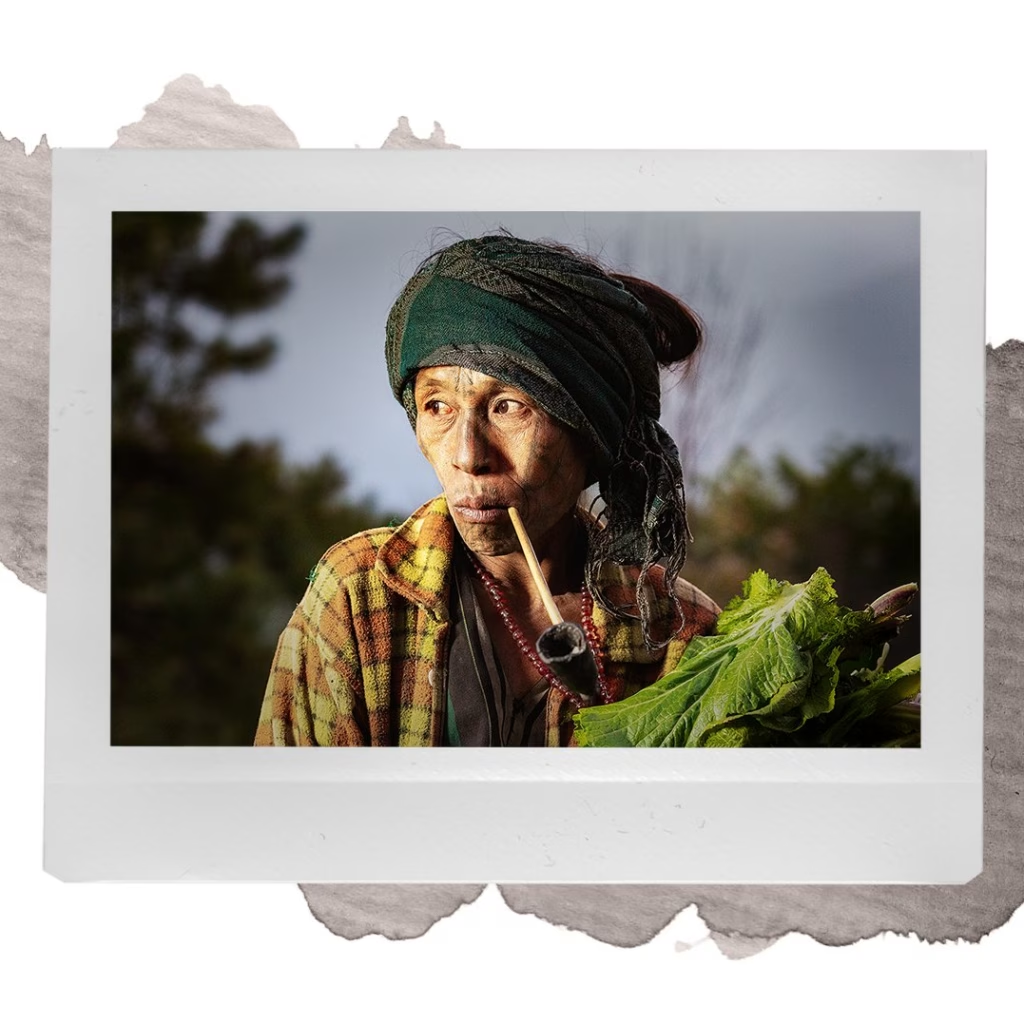
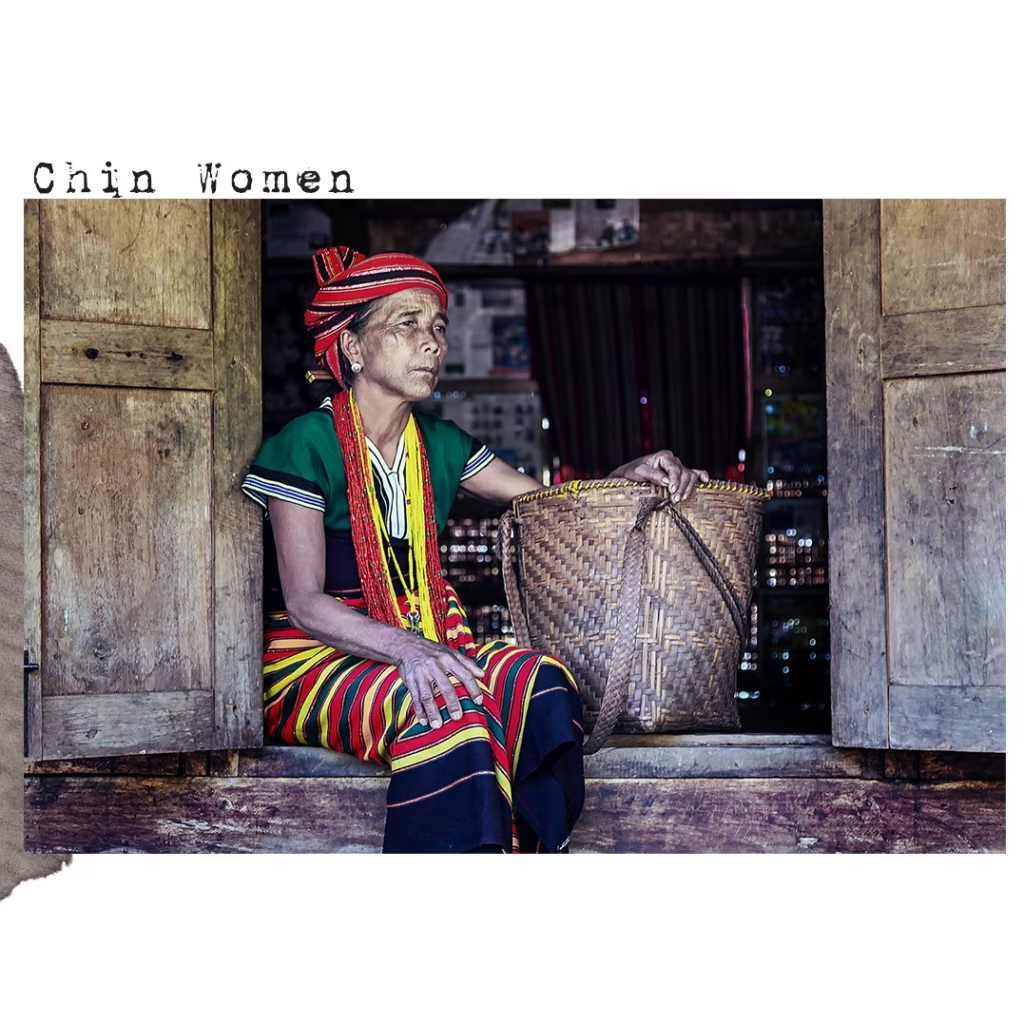
The facial tattoos worn by some of the older Chin women we met stayed with me. These intricate patterns belong to a tradition passed down through generations. Seeing them made me curious about the lives and personal stories of the women behind the photographs (more pictures). These come from a centuries-old tradition. The tattoos are extremely painful and the procedure need several years. When entering puberty, the tattoos were applied my mother or grandma. The military government banned face tattoos in 1962, so most women with tattoos are older.